Test System Retrofit, Servo Upgrades, and Repair Services
Upgrades and Repairs
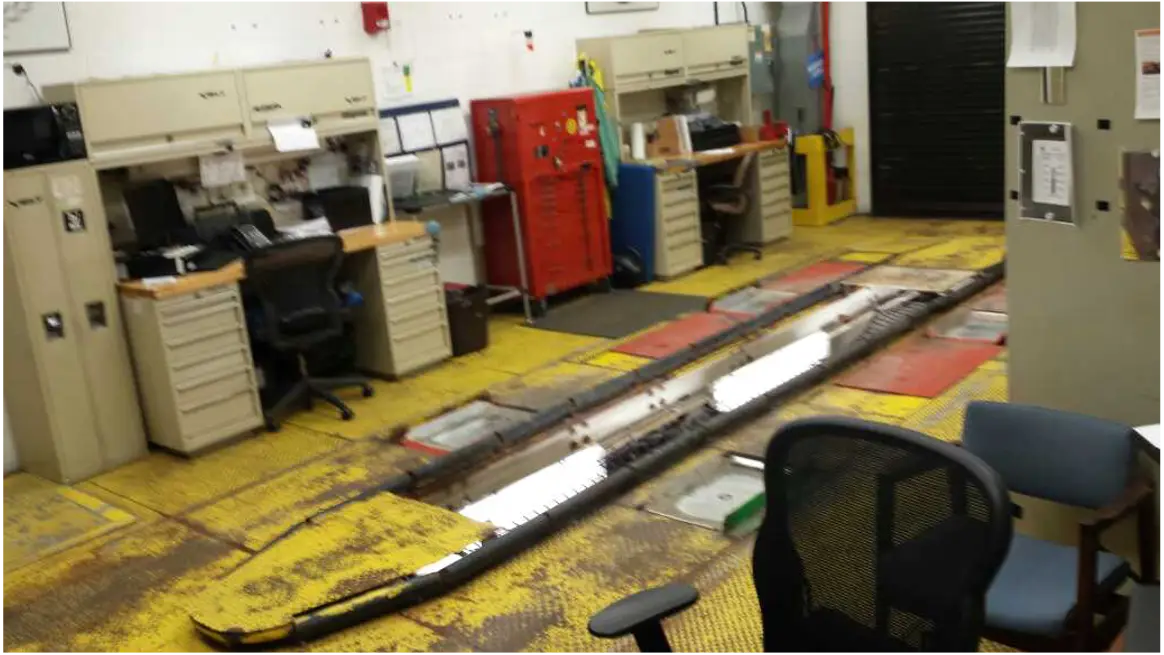
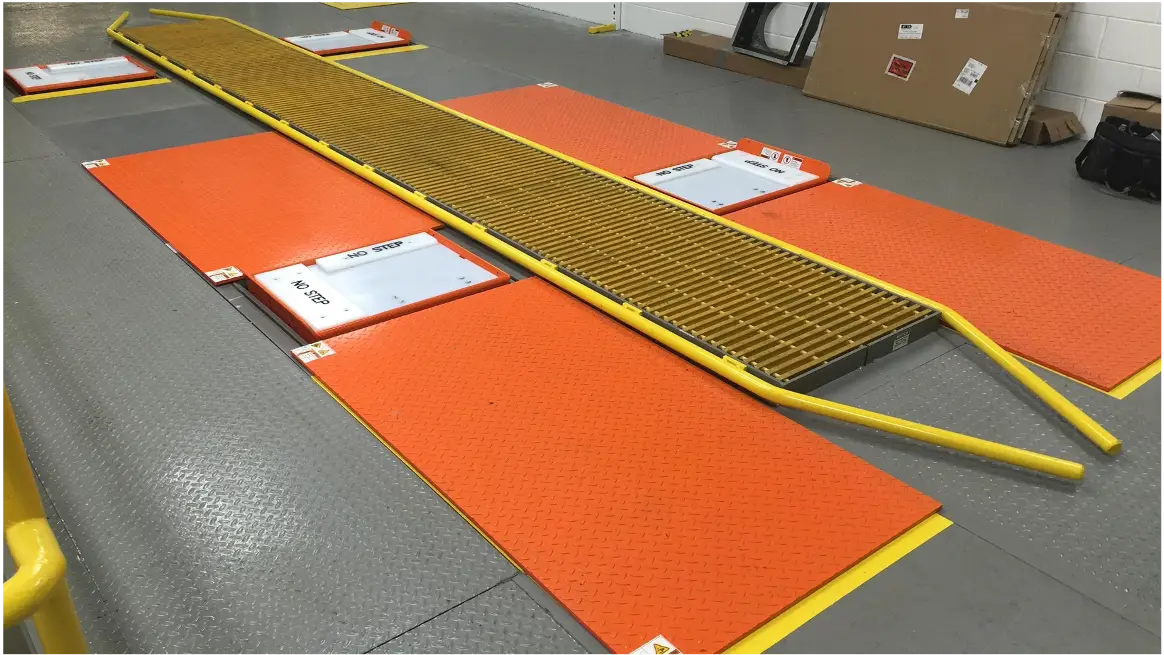
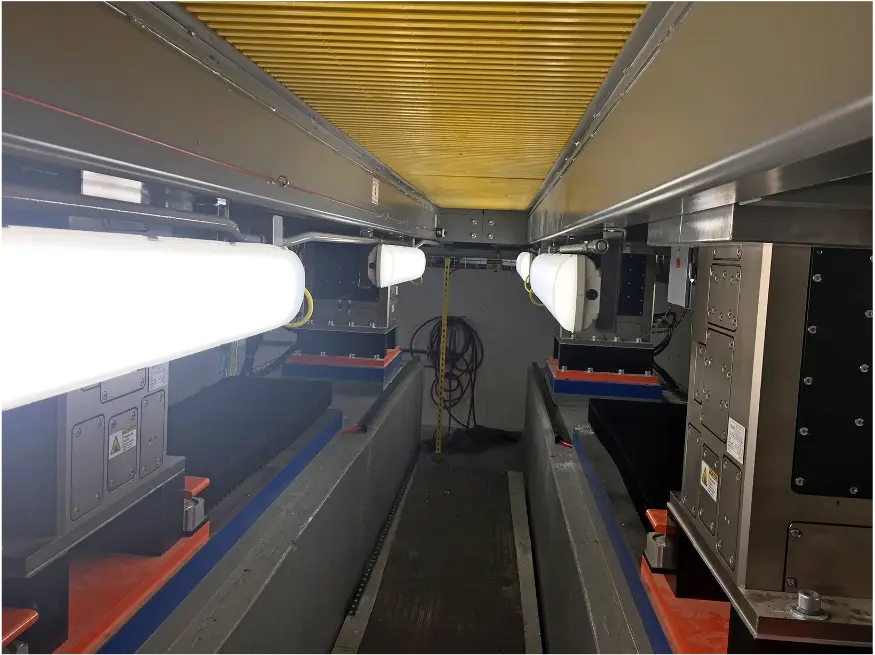
eMpulse offers comprehensive upgrade and rebuild services for test systems, supporting organizations that require servo upgrades, servo repair, and full hydraulic to electric test system conversion services. We work directly with engineering and maintenance teams to extend the useful life of existing equipment while improving performance, reliability, and control.
eMpulse offers comprehensive upgrade and rebuild services for test systems. We support organizations looking to convert from traditional hydraulic systems to modern servoelectric solutions, as well as customers seeking servoelectric upgrades and rebuilds to restore or enhance existing SEA-based systems through upgrades to our latest seaPLUS platform.
Our hydraulic to electric test system conversion services are engineered as turnkey retrofit projects, including mechanical retrofitting, integration of advanced control systems, and calibration support to ensure a smooth transition from hydraulic to electric actuation. For users with existing SEA infrastructure, servoelectric upgrades and rebuilds provide improved force capacity, higher precision, and increased system responsiveness while preserving existing test fixtures, tooling, and facility layouts.
All upgrades and rebuilds are engineered to minimize downtime and align with your current test protocols and facility requirements. Whether addressing aging components through servo repair or modernizing an entire test stand through a servo upgrade, our service approach prioritizes continuity, safety, and long-term support.

Upgrades and Repairs
eMpulse offers comprehensive upgrade and rebuild services for test systems, supporting organizations that require servo upgrades, servo repair, and full hydraulic to electric test system conversion services. We work directly with engineering and maintenance teams to extend the useful life of existing equipment while improving performance, reliability, and control.
eMpulse offers comprehensive upgrade and rebuild services for test systems. We support organizations looking to convert from traditional hydraulic systems to modern servoelectric solutions, as well as customers seeking servoelectric upgrades and rebuilds to restore or enhance existing SEA-based systems through upgrades to our latest seaPLUS platform.
Our hydraulic to electric test system conversion services are engineered as turnkey retrofit projects, including mechanical retrofitting, integration of advanced control systems, and calibration support to ensure a smooth transition from hydraulic to electric actuation. For users with existing SEA infrastructure, servoelectric upgrades and rebuilds provide improved force capacity, higher precision, and increased system responsiveness while preserving existing test fixtures, tooling, and facility layouts.
All upgrades and rebuilds are engineered to minimize downtime and align with your current test protocols and facility requirements. Whether addressing aging components through servo repair or modernizing an entire test stand through a servo upgrade, our service approach prioritizes continuity, safety, and long-term support.
Frequently Asked Questions
Frequently Asked Questions
A servoelectric upgrade or rebuild is more than swapping parts. It usually includes assessing the existing machine, defining what performance or capability needs to change, and then updating mechanical, electrical, and control elements so the system meets current requirements without losing reliability.
Upgrading or rebuilding can make sense when the existing structure, frame, or major components are still sound but performance, control, or maintainability is holding the program back. It often lowers capital cost and shortens downtime compared to a full replacement.
Common reasons to upgrade include needing higher precision motion, better control fidelity, improved cycle time, expanded force range, or integration with modern controls and test software. If a machine consistently limits testing accuracy or throughput, an upgrade is often the better choice.
A rebuild usually starts with a detailed inspection of the system as it currently exists. From there, worn components are replaced or improved, control hardware and software are updated, and performance is verified through acceptance testing. The process is systematic rather than just “fixing what is broken.”
Yes. Part of many upgrade programs is replacing parts that are obsolete or approaching wear limits and updating control systems to remove failure points. That typically improves reliability and reduces unplanned maintenance.
Actuation platforms that are still structurally sound but have outdated control hardware, limited performance, or integration challenges are the most common candidates. This includes static, fatigue, dynamic, or multi-axis systems that need a second life without a full replacement.
It depends on the scope. Minor control upgrades may take weeks, while full mechanical rebuilds with performance verification can take months. A clear definition of goals at the start helps keep the schedule predictable.
In many cases, upgraded systems can meet or exceed the original performance and add new capabilities. There are limits based on the existing mechanical structure, so part of the planning process is understanding what can realistically be achieved.
Good project planning usually includes staging refurbished components offsite, preconfiguring control software, and coordinating on-site installation to minimize lab downtime. The goal is to keep the system down only as long as absolutely necessary.
A technical assessment is usually the first step. An applications engineer will review your current system, discuss your performance goals, and help you understand whether refurbishment, an upgrade, or a new system makes the most sense based on cost, schedule, and risk.