Servoelectric Single Axis Test Systems

Servoelectric Single Axis Test Systems for Component Testing and Fatigue Validation
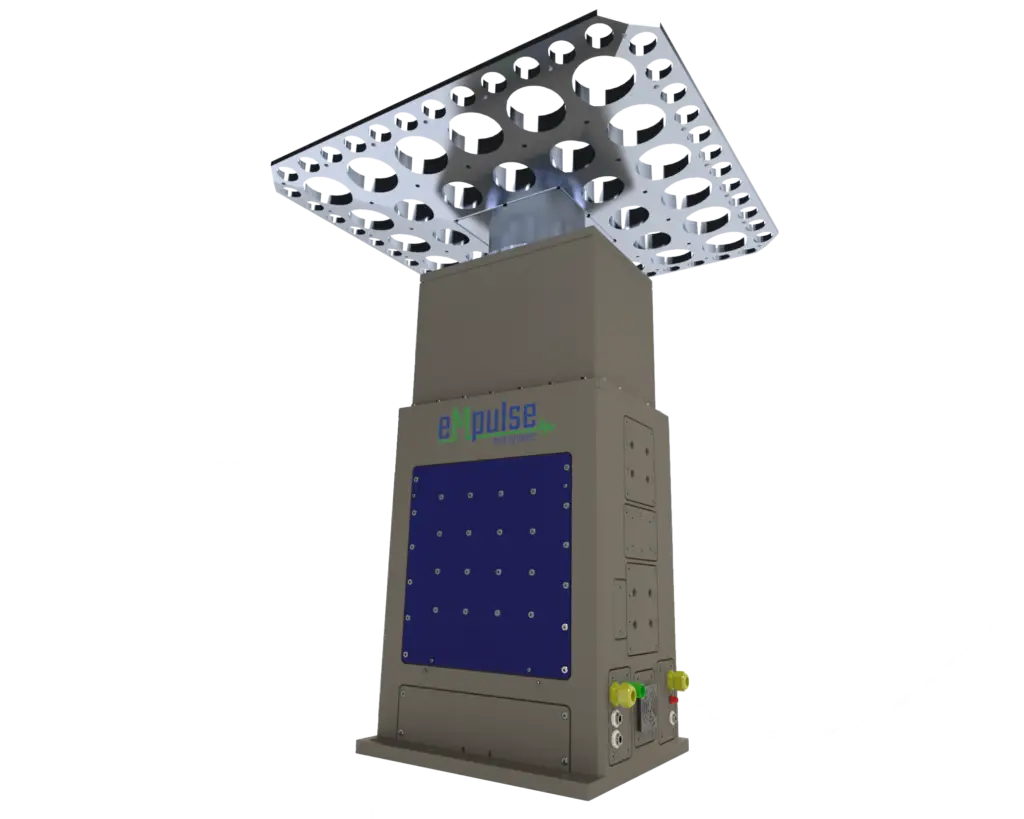
Our Single Axis Test Systems deliver high-precision control for force, velocity, and displacement testing, making them essential for single axis testing applications focused on component and component fatigue testing across multiple industries. These systems utilize servoelectric actuators, providing smooth, precise motion with higher energy efficiency than hydraulic counterparts. Engineered for high dynamic response, our versatile systems excel in fatigue, durability, and structural integrity testing for a whole range of sub assemblies.
With configurable force, position, and acceleration control, eMpulse Single Axis Test Systems offer exceptional repeatability and minimal energy consumption, making them ideal for high-accuracy component testing, material property analysis, and component fatigue testing programs. Equipped with advanced control software, real-time diagnostics, and automated data logging, these systems enable seamless test execution and integration into research, development, and production environments. Fully compliant with SAE, ISO, and industry standards, they provide a cost-effective and high-performance alternative to hydraulic test systems.
Integrated with eMpulse controls that feature application-specific software, seaPLUS single axis shakers are ideal for field data reproduction, sine sweep, or Power Spectral Density (PSD) profile replication.
- Durability
- Noise, Vibration, and Harshness (NVH)
- End-of-Line Production
- Accelerated Life
- Research and Development
- Packaging
Servoelectric Single Axis Test Systems for Component Testing and Fatigue Validation
Our Single Axis Test Systems deliver high-precision control for force, velocity, and displacement testing, making them essential for single axis testing applications focused on component and component fatigue testing across multiple industries. These systems utilize servoelectric actuators, providing smooth, precise motion with higher energy efficiency than hydraulic counterparts. Engineered for high dynamic response, our versatile systems excel in fatigue, durability, and structural integrity testing for a whole range of sub assemblies.
With configurable force, position, and acceleration control, eMpulse Single Axis Test Systems offer exceptional repeatability and minimal energy consumption, making them ideal for high-accuracy component testing, material property analysis, and component fatigue testing programs. Equipped with advanced control software, real-time diagnostics, and automated data logging, these systems enable seamless test execution and integration into research, development, and production environments. Fully compliant with SAE, ISO, and industry standards, they provide a cost-effective and high-performance alternative to hydraulic test systems.
Integrated with eMpulse controls that feature application-specific software, seaPLUS single axis shakers are ideal for field data reproduction, sine sweep, or Power Spectral Density (PSD) profile replication.
- Durability
- Noise, Vibration, and Harshness (NVH)
- End-of-Line Production
- Accelerated Life
- Research and Development
- Packaging
Servoelectric Single Axis Test Systems
Servoelectric Single Axis Test Systems for Component and Fatigue Testing
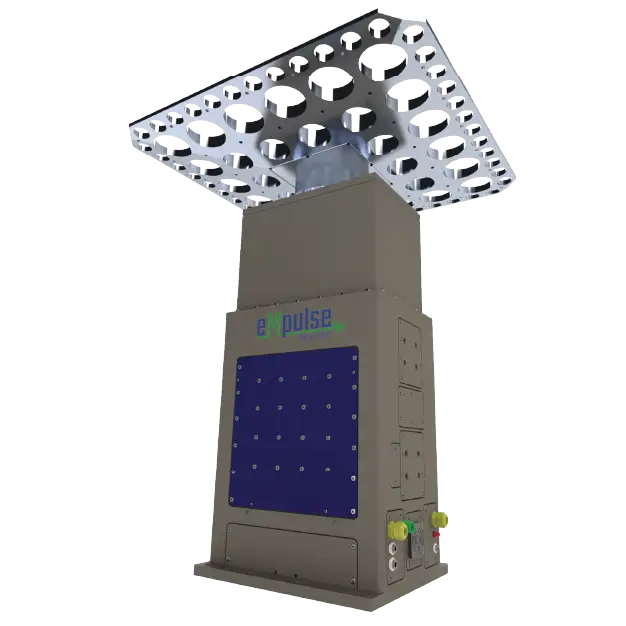
Our Single Axis Test Systems deliver high-precision control for force, velocity, and displacement testing, making them essential for single axis testing applications focused on component and component fatigue testing across multiple industries. These systems utilize servoelectric actuators, providing smooth, precise motion with higher energy efficiency than hydraulic counterparts. Engineered for high dynamic response, our versatile systems excel in fatigue, durability, and structural integrity testing for a whole range of sub assemblies.
With configurable force, position, and acceleration control, eMpulse Single Axis Test Systems offer exceptional repeatability and minimal energy consumption, making them ideal for high-accuracy component testing, material property analysis, and component fatigue testing programs. Equipped with advanced control software, real-time diagnostics, and automated data logging, these systems enable seamless test execution and integration into research, development, and production environments. Fully compliant with SAE, ISO, and industry standards, they provide a cost-effective and high-performance alternative to hydraulic test systems.
Integrated with eMpulse controls that feature application-specific software, seaPLUS single axis shakers are ideal for field data reproduction, sine sweep, or Power Spectral Density (PSD) profile replication.
- Durability
- Noise, Vibration, and Harshness (NVH)
- Research and Development
- Packaging
- End-of-Line Production
- Accelerated Life
Advantages of Servoelectric Single Axis Systems
Advantages of Servoelectric Single Axis Systems
Extended Stroke and Velocity
Pedestal-style servoelectric actuators provide longer strokes than electrodynamic shakers and achieve higher frequency response than servo-hydraulic systems, making them well suited for long-stroke component fatigue testing and durability validation.
Thermal Management for Extended Testing
Increased efficiency in converting electrical to mechanical energy, results in significantly lower heat generation. This improved efficiency reduces the size of the active cooling infrastructure, minimizes thermal loading on components, and contributes to lower overall operational costs.
High-Frequency Capability
Motor coherence up to 400 Hz enables test profiles that demand high dynamic response, exceeding the capabilities of servo-hydraulic actuators, supporting demanding single axis testing requirements for vibration-sensitive components.
Solid Welded Construction
Precision CNC machined and ground surfaces to 0.0001” tolerances to ensure perfect alignment for system longevity. Nickel plating surfaces resist long-term corrosion better than zinc, powder-coating or paint.
Force Range and Modular Design
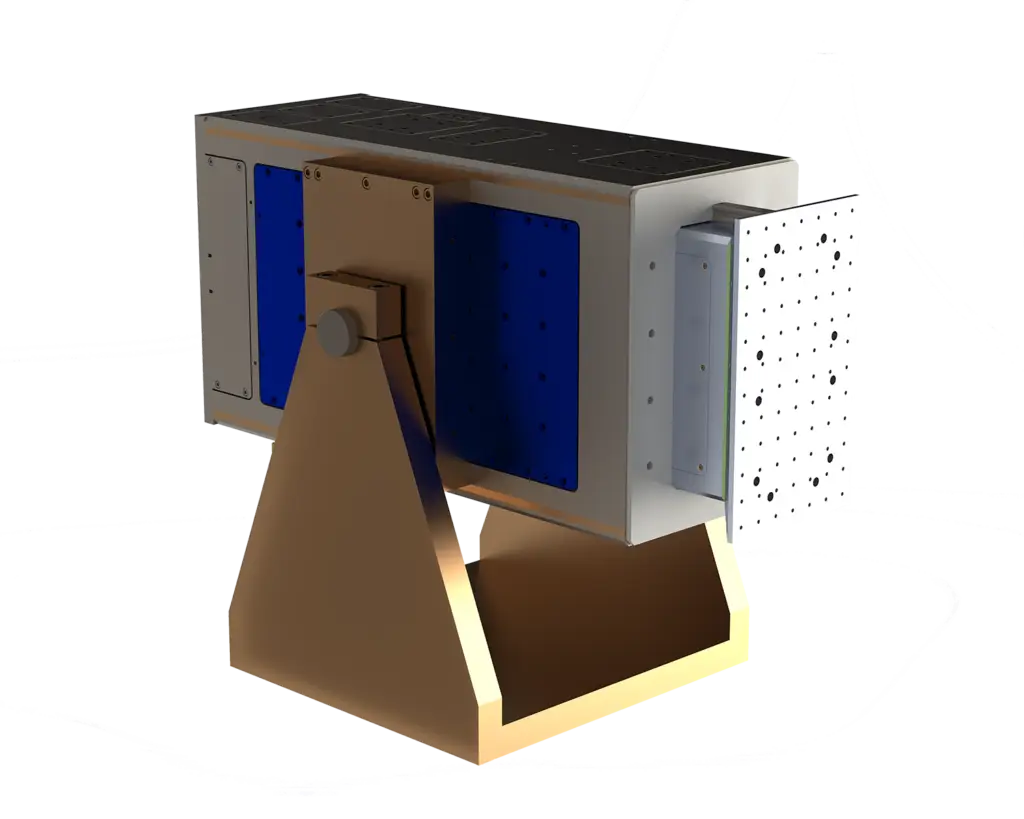
Modular motor configurations deliver peak dynamic forces from 1 kN to 108 kN, independent of static load. Systems are available in both vertical and horizontal orientations. Vertical shakers include a coaxially mounted air spring that supports static loads without limiting dynamic performance, allowing singe axis test systems to accommodate a wide range of component sizes and test configurations.
Nanometer-Level Accuracy
Integrated displacement feedback systems offer <10 nm resolution, supporting high-precision test requirements.
Sideload Capacity
Outboard bearings significantly improve sideload tolerance, outperforming comparable servohydraulic systems in lateral stability and reliability, critical for off-axis loading conditions during component testing.
Pneumatic Support
Patented Integrated high volume Air-bag pneumatic support system for no maintenance and long-term durability.
Internal Motor Cooling
Internal motor cooling allows higher continuous force capacity to run extended or durability test profiles
High Fidelity
High fidelity 32-bit closed-loop control ensures smooth, accurate motion across all test speeds, without switching valve types or control strategies, ensuring repeatable single axis testing results across test campaigns.
Application-Specific Software
Integrated with eMpulse controls that feature application-specific software, seaPLUS single axis shakers are ideal for field data reproduction, sine sweep, or Power Spectral Density (PSD) profile replication.
Efficient, Clean Operation
Direct-drive electric motion is up to 80% more efficient than hydraulics, with no fluid handling, reduced maintenance, and a cleaner test environment.
Integrated Safety Features
These features are built into the control architecture to ensure operator safety and specimen integrity during every test cycle. Every system includes comprehensive safety monitoring:
Advantages of Servoelectric Single Axis Systems
Extended Stroke and Velocity
Pedestal-style servoelectric actuators provide longer strokes than electrodynamic shakers and achieve higher frequency response than servo-hydraulic systems, making them well suited for long-stroke component fatigue testing and durability validation.
Thermal Management for Extended Testing
Increased efficiency in converting electrical to mechanical energy, results in significantly lower heat generation. This improved efficiency reduces the size of the active cooling infrastructure, minimizes thermal loading on components, and contributes to lower overall operational costs.
High-Frequency Capability
Motor coherence up to 400 Hz enables test profiles that demand high dynamic response, exceeding the capabilities of servo-hydraulic actuators, supporting demanding single axis testing requirements for vibration-sensitive components.
Solid Welded Construction
Precision CNC machined and ground surfaces to 0.0001” tolerances to ensure perfect alignment for system longevity. Nickel plating surfaces resist long-term corrosion better than zinc, powder-coating or paint.
Force Range and Modular Design
Modular motor configurations deliver peak dynamic forces from 1 kN to 108 kN, independent of static load. Systems are available in both vertical and horizontal orientations. Vertical shakers include a coaxially mounted air spring that supports static loads without limiting dynamic performance, allowing single axis test systems to accommodate a wide range of component sizes and test configurations.
Nanometer-Level Accuracy
Integrated displacement feedback systems offer <10 nm resolution, supporting high-precision test requirements.
Sideload Capacity
Outboard bearings significantly improve sideload tolerance, outperforming comparable servohydraulic systems in lateral stability and reliability, critical for off-axis loading conditions during component testing.
Pneumatic Support
Patented Integrated high volume Air-bag pneumatic support system for no maintenance and long-term durability.
Internal Motor Cooling
Internal motor cooling allows higher continuous force capacity to run extended or durability test profiles
High Fidelity
High fidelity 32-bit closed-loop control ensures smooth, accurate motion across all test speeds, without switching valve types or control strategies, ensuring repeatable single axis testing results across campaigns.
Application-Specific Software
Integrated with eMpulse controls that feature application-specific software, seaPLUS single axis shakers are ideal for field data reproduction, sine sweep, or Power Spectral Density (PSD) profile replication.
Efficient, Clean Operation
Direct-drive electric motion is up to 80% more efficient than hydraulics, with no fluid handling, reduced maintenance, and a cleaner test environment.
Integrated Safety Features
These features are built into the control architecture to ensure operator safety and specimen integrity during every test cycle. Every system includes comprehensive safety monitoring:
Extended Stroke and Velocity
Pedestal-style servoelectric actuators provide longer strokes than electrodynamic shakers and achieve higher frequency response than servo-hydraulic systems, making them well suited for long-stroke component fatigue testing.
Thermal Management for Extended Testing
Increased efficiency in converting electrical to mechanical energy, results in significantly lower heat generation. This improved efficiency reduces the size of the active cooling infrastructure, minimizes thermal loading on components, and contributes to lower overall operational costs.
High-Frequency Capability
Motor coherence up to 400 Hz enables test profiles that demand high dynamic response, exceeding the capabilities of servo-hydraulic actuators, supporting demanding single axis testing requirements for vibration-sensitive components.
Solid Welded Construction
Precision CNC machined and ground surfaces to 0.0001” tolerances to ensure perfect alignment for system longevity. Nickel plating surfaces resist long-term corrosion better than zinc, powder-coating or paint.
Force Range and Modular Design
Modular motor configurations deliver peak dynamic forces from 1 kN to 108 kN, independent of static load. Systems are available in both vertical and horizontal orientations. Vertical shakers include a coaxially mounted air spring that supports static loads without limiting dynamic performance, allowing single axis test systems to accommodate a wide range of component sizes and test configurations.
Nanometer-Level Accuracy
Integrated displacement feedback systems offer <10 nm resolution, supporting high-precision test requirements.
Sideload Capacity
Outboard bearings significantly improve sideload tolerance, outperforming comparable servohydraulic systems in lateral stability and reliability, critical for off-axis loading conditions during component testing.
Pneumatic Support
Patented Integrated high volume Air-bag pneumatic support system for no maintenance and long-term durability.
Internal Motor Cooling
Internal motor cooling allows higher continuous force capacity to run extended or durability test profiles.
High Fidelity
High fidelity 32-bit closed-loop control ensures smooth, accurate motion across all test speeds, without switching valve types or control strategies, ensuring repeatable single axis testing results across test campaigns.
Application-Specific Software
Integrated with eMpulse controls that feature application-specific software, seaPLUS single axis shakers are ideal for field data reproduction, sine sweep, or Power Spectral Density (PSD) profile replication.
Efficient, Clean Operation
Direct-drive electric motion is up to 80% more efficient than hydraulics, with no fluid handling, reduced maintenance, and a cleaner test environment.
Integrated Safety Features
These features are built into the control architecture to ensure operator safety and specimen integrity during every test cycle. Every system includes comprehensive safety monitoring:
Servoelectric Single Axis Test Systems
- Durability
- Research and Development
- Noise, Vibration, Harshness (NVH)
- Packaging
- End-of-Line Production
- Accelerated Life
- 13kN
- 27kN
- 40kN
- 54kN
- 108kN
Servoelectric Single Axis Test Specifications
| Specifications | Symbol | units | sea+ 13 | sea+ 27 | sea+ 40 | sea+ 54 | sea+ 108 | |||||
|---|---|---|---|---|---|---|---|---|---|---|---|---|
|
xxx= A Stroke |
S |
m |
160 (6,3) |
260 (10,2) |
160 (6,3) |
260 (10,2) |
160 (6,3) |
260 (10,2) |
160 (6,3) |
260 (10,2) |
160 (6,3) |
260 (10,2) |
|
Motor Dynamic Peak Force |
Fpk, mot |
N |
13.486 |
26.910 |
40.326 |
53.820 |
107.640 |
|||||
|
Motor Continuous Dynamic Force** |
Fn, mot |
N |
5.018 |
10.530 |
21.060 |
21.060 |
42.120 |
|||||
|
Static Load Support |
Fpk, air |
N |
7.117 |
14.235 |
14.235 |
14.235 |
28.470 |
|||||
|
Total Peak Force |
Fpk, total |
N |
20.603 |
41.145 |
54.561 |
68.055 |
136.110 |
|||||
|
Total Continuous Force |
Fn,cont, tot |
N |
12.135 |
24.765 |
35.295 |
35.295 |
70.590 |
|||||
Single Axis Testing Applications for Component Validation
Single-axis test systems are widely used for component testing and component fatigue testing where controlled, repeatable loading in one primary direction is required. Typical applications include:
- Component fatigue testing under cyclic axial loads
- Durability testing of mechanical subassemblies
- End-of-line production component testing
- Accelerated life testing using single axis testing profiles
By isolating loading to a single axis, engineers can precisely evaluate failure modes, material behavior, and fatigue life with high repeatability.
In practice, a single-axis test system applies force or motion in one controlled direction — tension, compression, or rotation — without trying to recreate every real-world load at once. These systems are typically used when the dominant load path is well understood and engineers want clean, repeatable data without unnecessary complexity.
Single-axis testing is usually the first choice when you’re trying to isolate a specific failure mode or validate material or component behavior under a known load direction. Multi-axis testing is valuable for full system simulation, but it’s more complex and not always necessary — especially early in development or for targeted durability work.
We most often see single-axis systems used for individual components and subassemblies — things like mounts, brackets, fasteners, bushings, elastomer parts, and structural elements. They’re common across automotive, aerospace, industrial, and defense programs where loads are predictable and repeatability matters.
Fatigue testing is about applying repeated loading over time to see how — and when — a component fails. On a single-axis system, this works well when one load direction dominates the fatigue mechanism. It’s a straightforward way to establish fatigue life without introducing unnecessary variables.
Servoelectric test systems are often selected when precision, efficiency, and low maintenance are priorities. They provide highly accurate digital control of force, displacement, and velocity, enabling stable and repeatable testing across a wide range of applications. Their direct-drive architecture eliminates the need for hydraulic infrastructure such as pumps, valves, and fluid management systems, resulting in reduced maintenance requirements, lower energy consumption, and a cleaner test environment. Modern servoelectric systems can also deliver high force levels while maintaining precise control, making them well suited for durability, structural, and component-level testing.
Depending on the controller and configuration, single-axis systems can handle everything from basic static loading to long-duration fatigue testing. We regularly see cyclic profiles, sine sweeps, durability testing, field data playback, and PSD-based profiles used in real-world programs.
Yes — especially when consistency and throughput are critical. Single-axis systems are well suited for automated or semi-automated test stations where the goal is to verify performance or durability without slowing down production.
Force capacity varies widely. Some systems are designed for relatively low-force component testing, while others are built for high-force structural or fatigue applications. The key is matching the actuator and mechanical structure to the actual test requirement rather than over-specifying the system.
Repeatability comes from closed-loop control, high-quality feedback sensors, and a rigid mechanical design. Just as important is application-specific control logic — maintaining consistent load conditions over thousands or millions of cycles isn’t accidental, it’s designed into the system.
If the primary loads act in one direction, the failure modes are understood, and the goal is clean, repeatable data, a single-axis system is often the most efficient solution. They’re simpler to operate, easier to automate, and usually faster to deploy than more complex test platforms.
Single Axis Testing Applications for Component Validation
Single-axis test systems are widely used for component testing and component fatigue testing where controlled, repeatable loading in one primary direction is required. Typical applications include:
- Component fatigue testing under cyclic axial loads
- Durability testing of mechanical subassemblies
- End-of-line production component testing
- Accelerated life testing using single axis testing profiles
By isolating loading to a single axis, engineers can precisely evaluate failure modes, material behavior, and fatigue life with high repeatability.
In practice, a single-axis test system applies force or motion in one controlled direction — tension, compression, or rotation — without trying to recreate every real-world load at once. These systems are typically used when the dominant load path is well understood and engineers want clean, repeatable data without unnecessary complexity.
Single-axis testing is usually the first choice when you’re trying to isolate a specific failure mode or validate material or component behavior under a known load direction. Multi-axis testing is valuable for full system simulation, but it’s more complex and not always necessary — especially early in development or for targeted durability work.
We most often see single-axis systems used for individual components and subassemblies — things like mounts, brackets, fasteners, bushings, elastomer parts, and structural elements. They’re common across automotive, aerospace, industrial, and defense programs where loads are predictable and repeatability matters.
Fatigue testing is about applying repeated loading over time to see how — and when — a component fails. On a single-axis system, this works well when one load direction dominates the fatigue mechanism. It’s a straightforward way to establish fatigue life without introducing unnecessary variables.
Servoelectric test systems are often selected when precision, efficiency, and low maintenance are priorities. They provide highly accurate digital control of force, displacement, and velocity, enabling stable and repeatable testing across a wide range of applications. Their direct-drive architecture eliminates the need for hydraulic infrastructure such as pumps, valves, and fluid management systems, resulting in reduced maintenance requirements, lower energy consumption, and a cleaner test environment. Modern servoelectric systems can also deliver high force levels while maintaining precise control, making them well suited for durability, structural, and component-level testing.
Depending on the controller and configuration, single-axis systems can handle everything from basic static loading to long-duration fatigue testing. We regularly see cyclic profiles, sine sweeps, durability testing, field data playback, and PSD-based profiles used in real-world programs.
Yes — especially when consistency and throughput are critical. Single-axis systems are well suited for automated or semi-automated test stations where the goal is to verify performance or durability without slowing down production.
Force capacity varies widely. Some systems are designed for relatively low-force component testing, while others are built for high-force structural or fatigue applications. The key is matching the actuator and mechanical structure to the actual test requirement rather than over-specifying the system.
Repeatability comes from closed-loop control, high-quality feedback sensors, and a rigid mechanical design. Just as important is application-specific control logic — maintaining consistent load conditions over thousands or millions of cycles isn’t accidental, it’s designed into the system.
If the primary loads act in one direction, the failure modes are understood, and the goal is clean, repeatable data, a single-axis system is often the most efficient solution. They’re simpler to operate, easier to automate, and usually faster to deploy than more complex test platforms.
Servoelectric Single Axis Test Systems
- Durability
- Noise, Vibration, and Harshness (NVH)
- End-of-Line Production
- Accelerated Life
- Research and Development
- Packaging
- 13kN
- 27kN
- 40kN
- 54kN
- 108kN
Energy Efficiency
Durability + Servoelectric Actuation
Our servoelectric systems are excellent for durability testing needs. Our systems, using liquid cooled electric motors, can operate with high precision over extended periods, servoelectric actuation offers substantial operational advantages.

Facility Integration
eMpulse offers comprehensive turn-key facility integration services to meet the needs of our clients. We can develop facility integration plans directly or collaborate with your architectural engineering firm.
- Reaction Mass
- Wheelbase Adjustment
- Actuators
- And More
Sustainability
Our technology reduces energy consumption and environmental impact, contributing to a greener future. Discover how our innovative solutions can help you achieve your sustainability goals.
- No Hydraulic Fluids
- Lower Energy Consumption
- Lower Emissions
- Regenerative Energy
Servoelectric Single Axis Test System Specifications
Servoelectric Single Axis Test System Specifications
| Specifications | Symbol | units | sea+ 13 | sea+ 27 | sea+ 40 | sea+ 54 | sea+ 108 | |||||
|---|---|---|---|---|---|---|---|---|---|---|---|---|
|
xxx= A Stroke |
S |
m |
160 (6,3) |
260 (10,2) |
160 (6,3) |
260 (10,2) |
160 (6,3) |
260 (10,2) |
160 (6,3) |
260 (10,2) |
160 (6,3) |
260 (10,2) |
|
Motor Dynamic Peak Force |
Fpk, mot |
N |
13.486 |
26.910 |
40.326 |
53.820 |
107.640 |
|||||
|
Motor Continuous Dynamic Force** |
Fn, mot |
N |
5.018 |
10.530 |
21.060 |
21.060 |
42.120 |
|||||
|
Static Load Support |
Fpk, air |
N |
7.117 |
14.235 |
14.235 |
14.235 |
28.470 |
|||||
|
Total Peak Force |
Fpk, total |
N |
20.603 |
41.145 |
54.561 |
68.055 |
136.110 |
|||||
|
Total Continuous Force |
Fn,cont, tot |
N |
12.135 |
24.765 |
35.295 |
35.295 |
70.590 |
|||||
Energy Efficiency
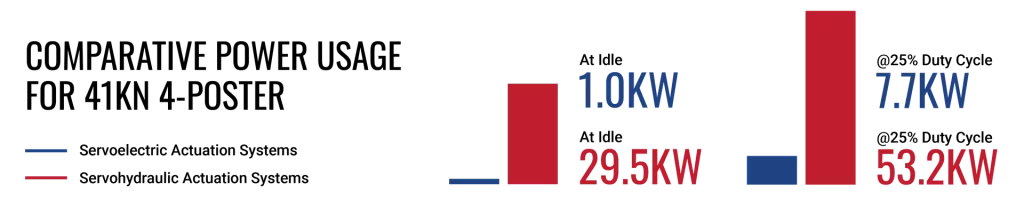
eMpulse’s systems are known for their energy efficiency, reliability, and sustainability in industrial testing applications. Integrating SEA technology enhances testing processes and leads to overall operational improvements such as lowered energy use, reduced maintenance, and improved control.
Energy Efficiency
eMpulse’s systems are known for their energy efficiency, reliability, and sustainability in industrial testing applications. Integrating SEA technology enhances testing processes and leads to overall operational improvements such as lowered energy use, reduced maintenance, and improved control.
Durability + Servoelectric Actuation
Our servoelectric systems are excellent for durability testing needs. Our systems, using liquid cooled electric motors, can operate with high precision over extended periods, servoelectric actuation offers substantial operational advantages.
Durability + Servoelectric Actuation
Our servoelectric systems are excellent for durability testing needs. Our systems, using liquid cooled electric motors, can operate with high precision over extended periods, servoelectric actuation offers substantial operational advantages.
Facility Integration
eMpulse offers comprehensive turn-key facility integration services to meet the needs of our clients. We can develop facility integration plans directly or collaborate with your architectural engineering firm.
- Reaction Mass
- Wheelbase Adjustment
- Actuators
- And More
Sustainability
Our technology reduces energy consumption and environmental impact, contributing to a greener future. Discover how our innovative solutions can help you achieve your sustainability goals.
- No Hydraulic Fluids
- Lower Energy Consumption
- Lower Emissions
- Regenerative Energy
Facility Integration
eMpulse offers comprehensive turn-key facility integration services to meet the needs of our clients. We can develop facility integration plans directly or collaborate with your architectural engineering firm.
- Reaction Mass
- Wheelbase Adjustment
- Actuators
- And More
Sustainability
Our advanced technology reduces energy consumption and environmental impact, contributing to a greener future. Discover how our innovative solutions can help you achieve your sustainability goals.
- No Hydraulic Fluids
- Lower Energy Consumption
- Lower Emissions
- Regenerative Energy