
Testing Services
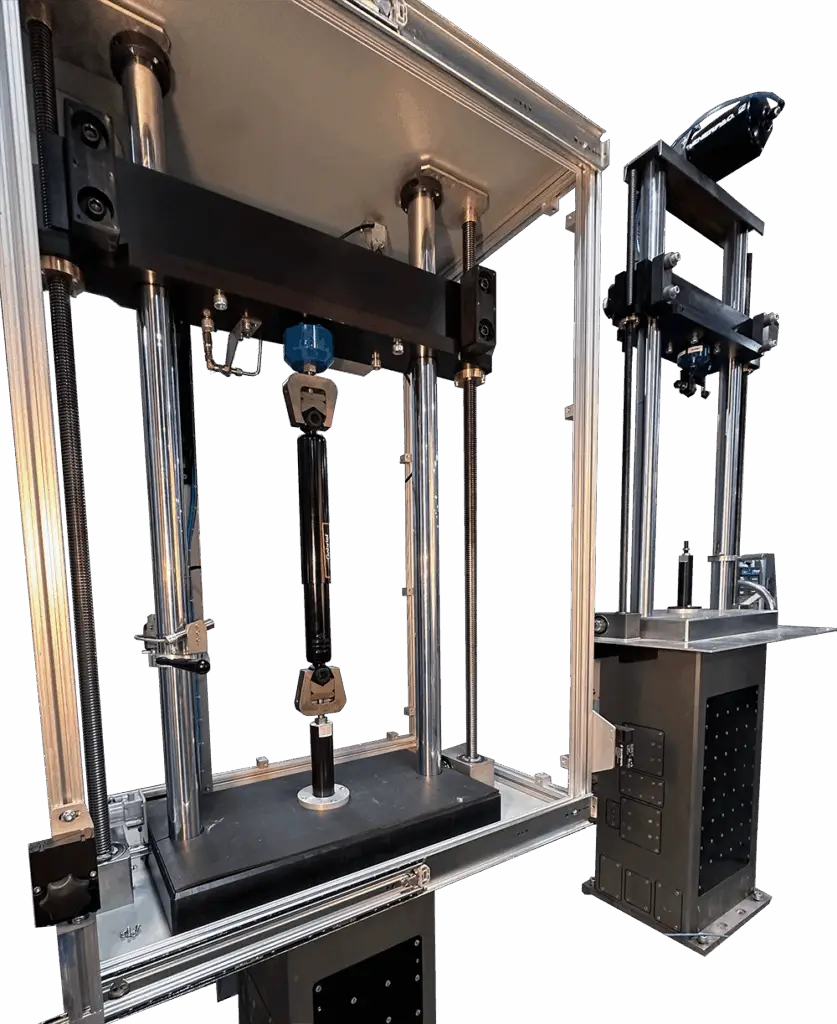
Non-Accredited Testing
At eMpulse, we offer non-accredited testing services using our in-house demo and development systems. As a non-accredited testing lab, we support engineering teams that need rapid, flexible testing without the cost, scheduling constraints, or documentation requirements of accredited testing environments. These systems are available to support early-stage component testing, subsystem validation, concept prove-out, and test correlation activities.
Whether you’re looking to evaluate performance trends, compare design iterations, validate assumptions, or explore custom test configurations, our non-accredited testing services provide an efficient and cost-effective solution for R&D, prototype development, and pre-certification testing.
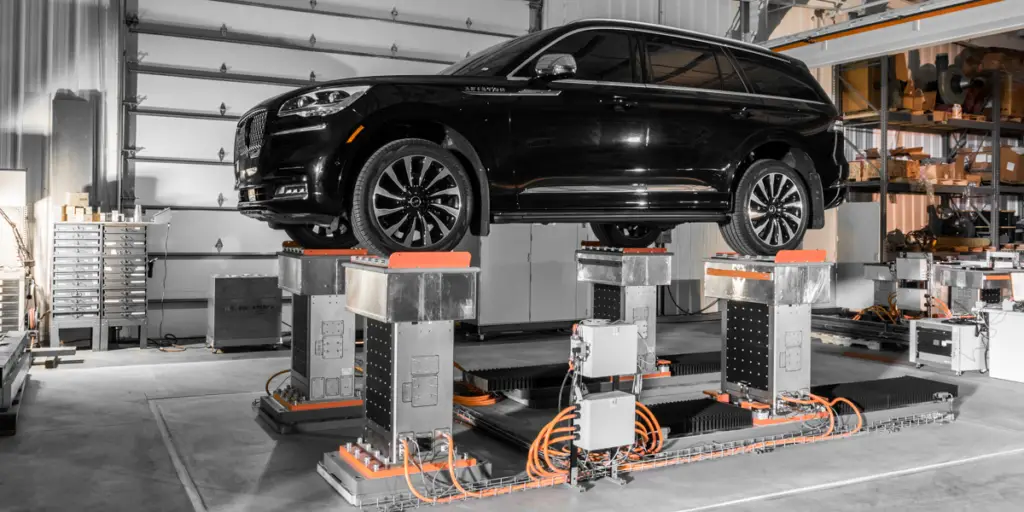
Non-Accredited Testing Services
At eMpulse, we offer non-accredited testing services using our in-house demo and development systems. As a non-accredited testing lab, we support engineering teams that need rapid, flexible testing without the cost, scheduling constraints, or documentation requirements of accredited testing environments. These systems are available to support early-stage component testing, subsystem validation, concept prove-out, and test correlation activities.
Whether you’re looking to evaluate performance trends, compare design iterations, validate assumptions, or explore custom test configurations, our non-accredited testing services provide an efficient and cost-effective solution for R&D, prototype development, and pre-certification testing.
Frequently Asked Questions
Non accredited testing is used when the goal is engineering insight rather than formal certification. It is typically applied during development, design iteration, or investigation when teams need answers quickly and flexibility matters more than producing a compliance report.
The biggest difference is intent. A non accredited lab is focused on learning, problem solving, and refining designs. Test methods, profiles, and acceptance criteria can be adjusted to support engineering decisions instead of being locked to a specific standard or audit requirement.
Non accredited testing often includes durability and fatigue testing, vibration and NVH work, functional validation, and development of custom load cases. The exact scope depends on the equipment and what the team is trying to learn from the test.
Non accredited testing is often faster, less expensive, and more adaptable. Engineers use it to explore design limits, validate assumptions, troubleshoot issues, or refine test methods before committing time and budget to formal qualification testing.
Yes, and this is a very common use case. Non accredited testing is often used to validate fixtures, confirm test setups, correlate lab data to field behavior, and identify issues early so accredited testing has a higher chance of passing on the first run.
For engineering evaluation, yes. While the results are not intended for certification, they can be very reliable when testing is performed with calibrated instrumentation, controlled procedures, and repeatable setups. The difference is how the data is used, not the quality of the measurement.
They can. Customers may supply their own procedures, profiles, or acceptance criteria, or work collaboratively to develop test methods that match specific development goals. This flexibility is one of the main advantages of non accredited testing.
Non accredited testing does not prevent future accreditation work. In many cases, the results help streamline that next step. Customers can transition to accredited labs when needed, using what was learned during development testing to reduce risk and rework.
Automotive, aerospace, defense, industrial equipment, and mobility manufacturers frequently use non accredited testing during R&D, prototype evaluation, and system development. Any industry developing complex hardware can benefit from this approach.
If the objective is to understand behavior, validate a concept, compare design options, or build confidence before certification, non accredited testing is usually the right choice. If formal documentation for compliance is required, accredited testing becomes necessary.